


Recombinant KLK Proteins (Kallikrein Proteases)
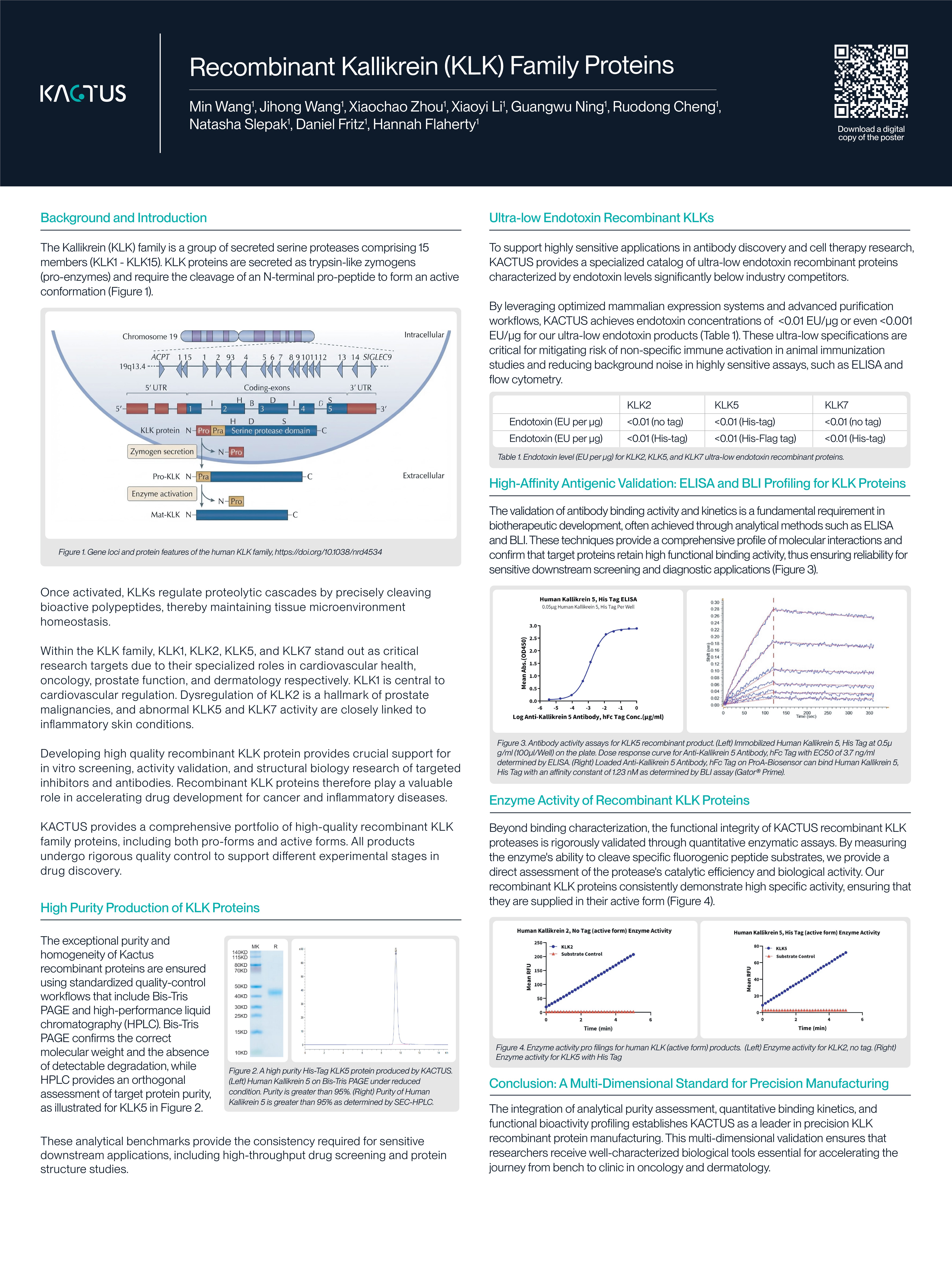
The Kallikrein-related peptidase (KLK) family is comprised of 15 secreted serine proteases (KLK1–KLK15), synthesized as inactive zymogens (pro-forms). Upon cleavage of their N-terminal pro-peptide, KLKs adopt an active conformation and precisely cleave peptide substrates to regulate proteolytic cascades essential for tissue homeostasis.
KLK - A Hot Target in Disease
Dysregulation of KLK expression or activity is strongly linked to multiple pathologies including:
- Cardiovascular Disease
- Cancer (Prostate, Ovarian, Breast)
- Skin Disorders (e.g. Atopic Dermatitis, Netherton syndrome, etc.)
- Neurodegenerative Diseases (e.g. Alzheimer's Disease, Multiple Sclerosis, etc.)
- Airway Diseases (e.g. asthma, chronic bronchitis)
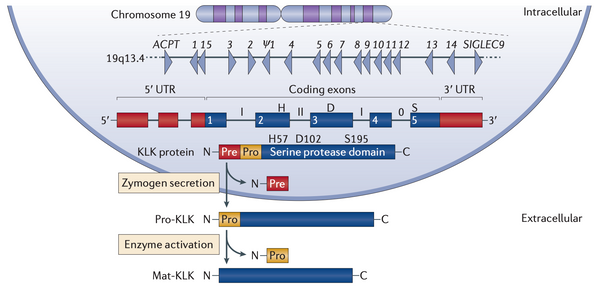
KLK genes are expressed as enzymatically inhibited zymogens
https://doi.org/10.1038/nrd4534
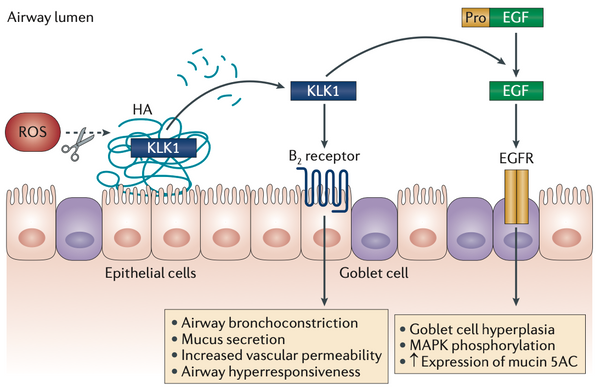
Pathological activity of KLK contributes to progression of airway diseases
Comprehensive Collection of KLK Enzymes
We offer most KLKs in both pro-form and enzymatically active forms (with more coming soon!), enabling simpler processing and faster functional studies.
Product Applications:
Drug & Antibody discovery:
Immunization
In Vitro Antibody/Inhibitor Screening
Antibody Affinity & Epitope Binning
Structural Characterization
Interaction & Kinetic Analysis
Binding Kinetics - SPR / BLI
Quantitative Immunoassays - ELISA
Cell-based Functional Assays
Product Features:
→ High protein binding affinity
→ Enzymatic activity data
→ Ultra-low endotoxin (<0.01 EU/μg) - critical for cell-based assays and in vivo studies
→ Mammalian Expression
→ Various tags (His, Flag, Biotin, etc.)
→ Multi-Species options, ideal for cross-species validation
Product Validation
KLK5: Regulator of Skin Homeostasis
KLK5 is a key serine protease primarily expressed in the epidermis, where it serves as a master initiator of the enzymatic cascade that regulates skin desquamation. By activating secondary proteases like KLK7, it maintains the delicate balance of the skin barrier. Its dysregulation is a central driver in inflammatory conditions such as Netherton syndrome, atopic dermatitis, and rosacea.
See our blog on the therapeutic landscape of KLK5/7 in these skin diseases →
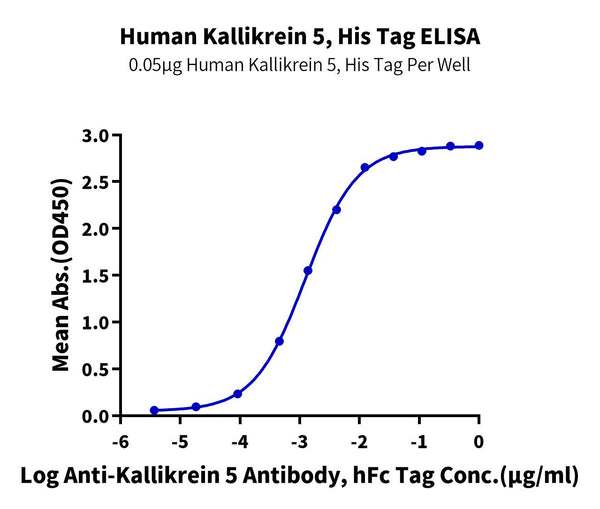
Immobilized Human Kallikrein 5, His Tag at 0.5ug/ml (100ul/Well) on the plate. Dose response curve for Anti-Kallikrein 5 Antibody, hFc Tag with the EC50 of 3.7ng/ml determined by ELISA (QC Test).
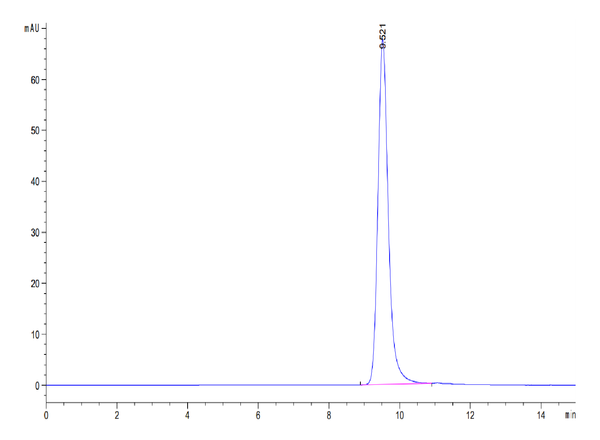
The purity of Human Kallikrein 5 is greater than 95% as determined by SEC-HPLC.
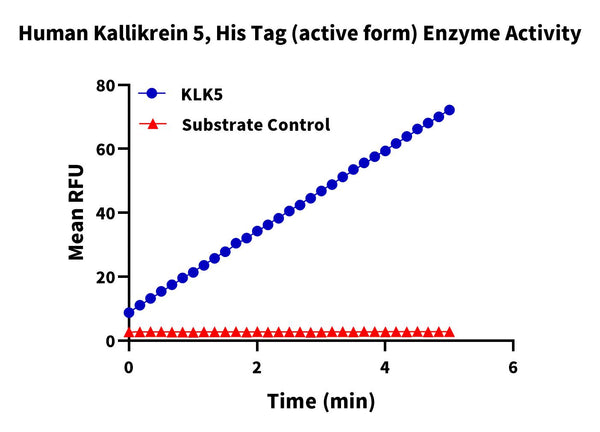
Measured by its ability to cleave the fluorogenic peptide substrate Boc-VPR-AMC. The specific activity is >400 pmol/min/µg (QC Test).
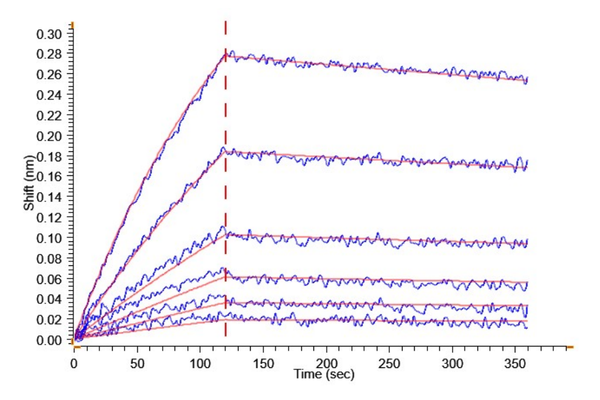
Loaded Anti-Kallikrein 5 Antibody, hFc Tag on ProA-Biosensor can bind Human Kallikrein 5, His Tag with an affinity constant of 1.23 nM as determined in BLI assay (Gator® Prime).
KLK2: New Target for Prostate Cancer
KLK2 (hK2) is a highly prostate-specific serine protease that shares 80% amino acid homology with PSA (KLK3) and acts as its primary physiological activator. Regulated by androgen receptor signaling, it is overexpressed throughout the prostate cancer disease continuum (including metastatic castration-resistant stages) where it facilitates tumor growth, migration, and angiogenesis. Beyond its role as a diagnostic biomarker, the recent discovery of its cell surface expression has established KLK2 as a promising therapeutic target for radioligand and CAR T-cell therapies.
See our blog on the latest clinical developments of KLK2 drugs in Prostate Cancer →
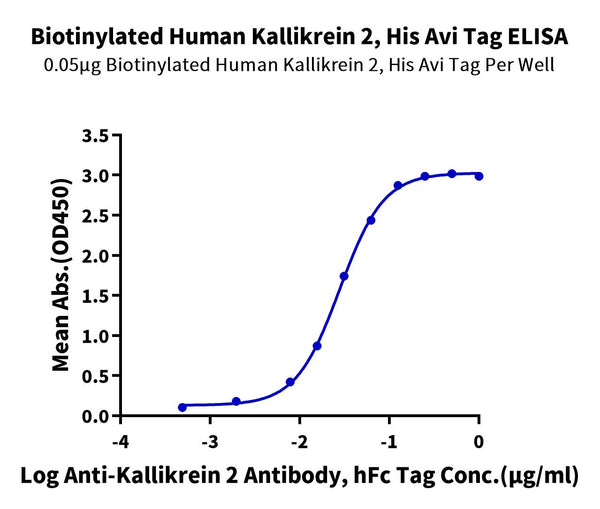
Immobilized Biotinylated Human Kallikrein 2, His Avi Tag at 0.5ug/ml (100ul/well) on the streptavidin precoated plate (5ug/ml). Dose response curve for Anti-Kallikrein 2 Antibody, hFc Tag with the EC50 of 28.0ng/ml determined by ELISA.
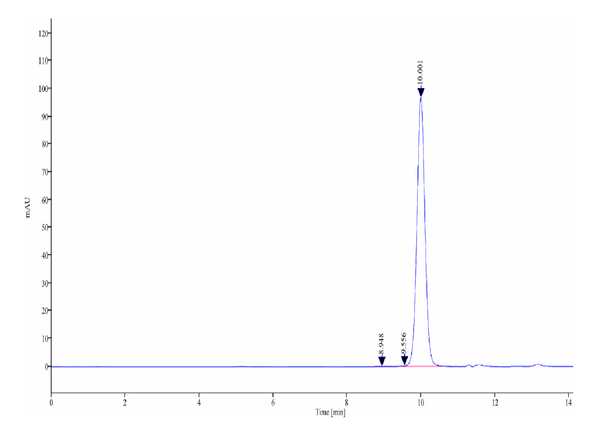
The purity of Biotinylated Human Kallikrein 2 is greater than 95% as determined by SEC-HPLC.
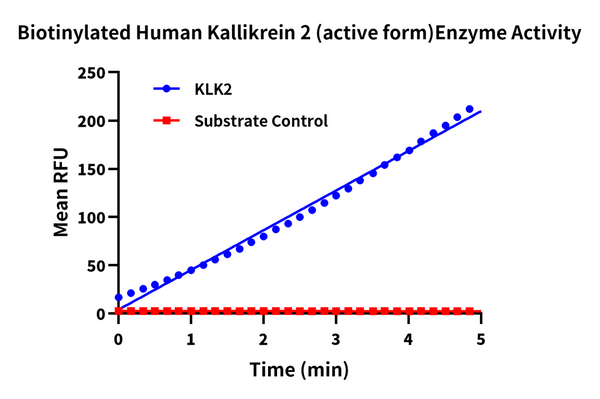
Measured by its ability to cleave the fluorogenic peptide substrate Boc-VPR-AMC. The specific activity is >400 pmol/min/µg (QC Test).
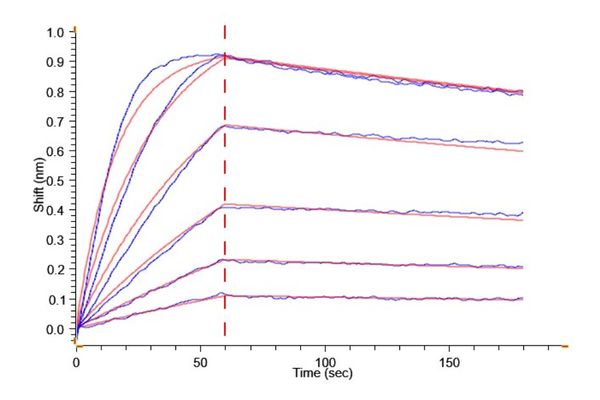
Loaded Anti-Kallikrein 2 Antibody, hFc Tag on ProA-Biosensor can bind Biotinylated Human Kallikrein 2, His-Avi Tag with an affinity constant of 1.89 nM as determined in BLI assay (Gator® Prime).
Resources
Check out our blogs and informational content for a deeper dive into KLK enzyme proteins:

Custom KLK Proteins
Our team can modify parameters such as mutations, tags, biotinylation, and fluorescent labels, to ensure the product aligns with your precise requirements. This option provides a cost-effective and efficient solution by leveraging our established product base while meeting your unique specifications.
Custom Protein Services





60 Hickory Drive
Waltham, MA 02451
United States
Recombinant KLK Active Enzymes (KLK1–KLK15) | KACTUS Bio